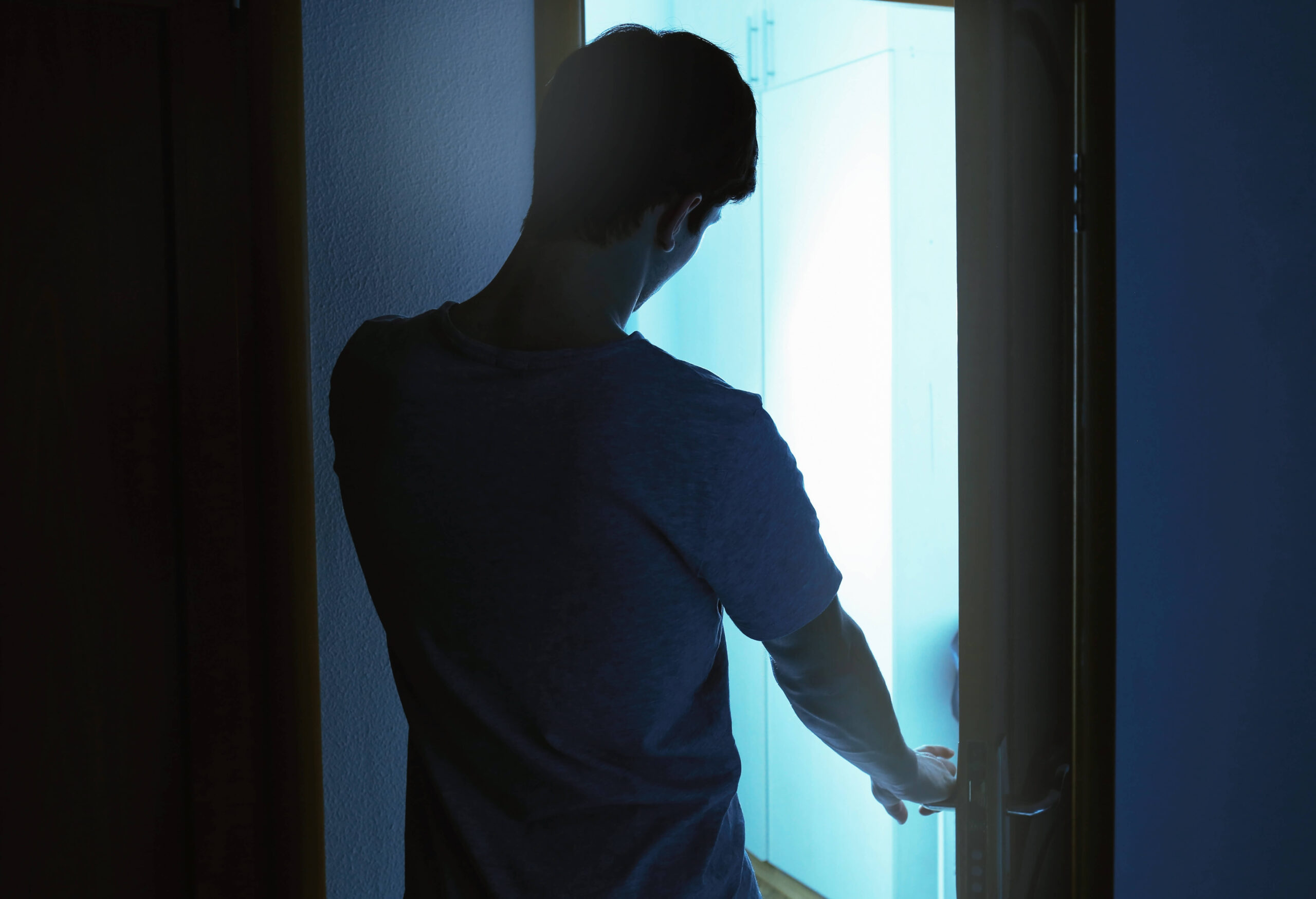
Parasomnias are a group of sleep disorders characterized by abnormal movements, behaviors, emotions, perceptions, and dreams that occur while falling asleep, during sleep, or upon waking. These disorders can disrupt sleep and lead to significant distress or functional impairment during the day.
If you or a loved one experiences parasomnias, consult with Dr. Saema Tahir, M.D. who will provide tailored care and support for better sleep and overall well-being.
Parasomnias are divided into two main categories: non-REM-related parasomnias, which occur during non-rapid eye movement stages of sleep, and REM-related parasomnias, which occur during rapid eye movement stages — typically associated with vivid dreaming.
Common types include sleepwalking, night terrors, sleep talking, REM sleep behavior disorder (RBD), and sleep paralysis. Non-REM parasomnias often run in families and are more common in children. REM-related parasomnias are associated with neurological conditions like Parkinson’s disease. Factors such as sleep deprivation, stress, fever, and certain medications can trigger or exacerbate episodes.
Common misconceptions about parasomnias:
Dr. Tahir is a quadruple board certified physician who specializes in Pulmonary Disease, Critical Care Medicine and Sleep Medicine. She practices with integrity and puts patient communication at the forefront, building tailored assessments and treatment plans that involve a comprehensive physical, social and psychological evaluation.
For Dr. Tahir, best care involves trust on top of a true holistic approach. She is currently accepting new patients and can often accelerate treatment so you don’t have to wait weeks or months to get the help you need.
For non-REM parasomnias, improving sleep hygiene is crucial — establishing a consistent sleep schedule, creating a calm sleep environment, and ensuring adequate sleep duration. Reducing stress through relaxation techniques and scheduled awakenings can help minimize episodes. Cognitive-behavioral therapy may address underlying anxiety.
For REM sleep behavior disorder, treatment involves behavioral strategies and medications like melatonin or clonazepam to reduce episode frequency. Ensuring a safe sleep environment by removing sharp objects from the bedroom is essential. Addressing underlying neurological conditions and maintaining regular sleep schedules helps reduce parasomnia occurrence.