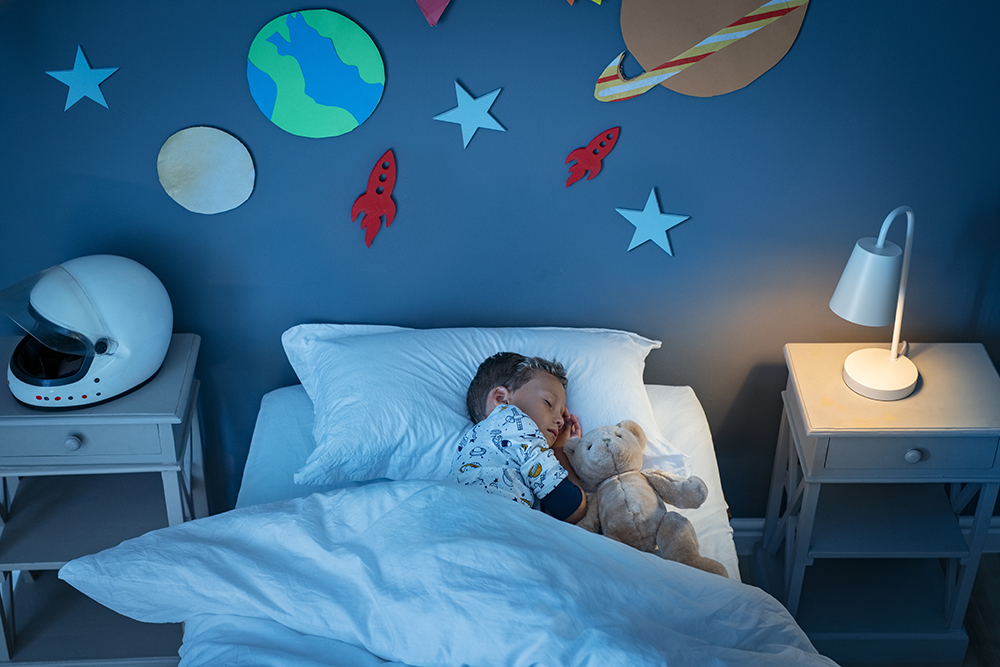
Sleep is crucial for the healthy development of children, yet many experience sleep disorders that affect their well-being. Pediatric sleep disorders can manifest in various forms, impacting physical health, cognitive development, and emotional stability. Understanding these disorders, their symptoms, and treatment options is essential for ensuring children get the rest they need.
If you suspect your child has a sleep disorder, call Dr. Saema Tahir, M.D. for an assessment. Pediatric sleep disorders can be managed safely and effectively — we’re here to help.
Insomnia: Difficulty falling asleep, staying asleep, or waking too early. Common causes include anxiety, stress, poor sleep habits, or environmental factors.
Obstructive Sleep Apnea (OSA): Breathing interruptions due to airway blockage. In children this may be caused by enlarged tonsils or adenoids, obesity, or structural abnormalities.
Restless Legs Syndrome (RLS): An uncontrollable urge to move the legs from uncomfortable sensations. Can be caused by iron deficiency, family history, or chronic illness.
Night Terrors: Episodes of intense fear, screaming, and thrashing during sleep — related to sleep deprivation, stress, or family history.
Movement Disorders & Circadian Rhythm Disorders: Sleepwalking, complex behaviors during sleep, or misalignment between the internal clock and the environment from screens, irregular schedules, or delayed sleep phase syndrome.
Sleep disorders in teens & adolescents: During adolescence the sleep-wake cycle shifts later, colliding with school start times to produce chronic sleep deprivation that impairs memory, mood, and immune function. Effective intervention combines sleep hygiene, reduced evening screen time, a consistent schedule, and — when persistent — CBT-I.
Dr. Tahir is a quadruple board certified physician who specializes in Pulmonary Disease, Critical Care Medicine and Sleep Medicine. She practices with integrity and puts patient communication at the forefront, building tailored assessments and treatment plans that involve a comprehensive physical, social and psychological evaluation.
For Dr. Tahir, best care involves trust on top of a true holistic approach. She is currently accepting new patients and can often accelerate treatment so you don’t have to wait weeks or months to get the help you need.
Treatment for children depends on the specific condition. For obstructive sleep apnea, the first line of treatment often addresses physical obstructions — tonsillectomy and adenoidectomy can dramatically improve breathing during sleep. For milder cases or when surgery isn’t an option, CPAP therapy may be recommended with careful fitting and adjustment for the child’s comfort.
Behavioral interventions and lifestyle changes play a crucial role. Establishing a consistent bedtime routine, limiting screen time before bed, and ensuring adequate physical activity during the day all promote better sleep. Cognitive Behavioral Therapy for Insomnia (CBT-I) can address anxiety-related sleep issues. For restless legs syndrome, iron supplementation under medical supervision may be necessary. A comprehensive approach combining medical, behavioral, and environmental strategies works best.